The Legacy That Generative AI Saves—and the Legacy It Abandons (Part 4 of 7)
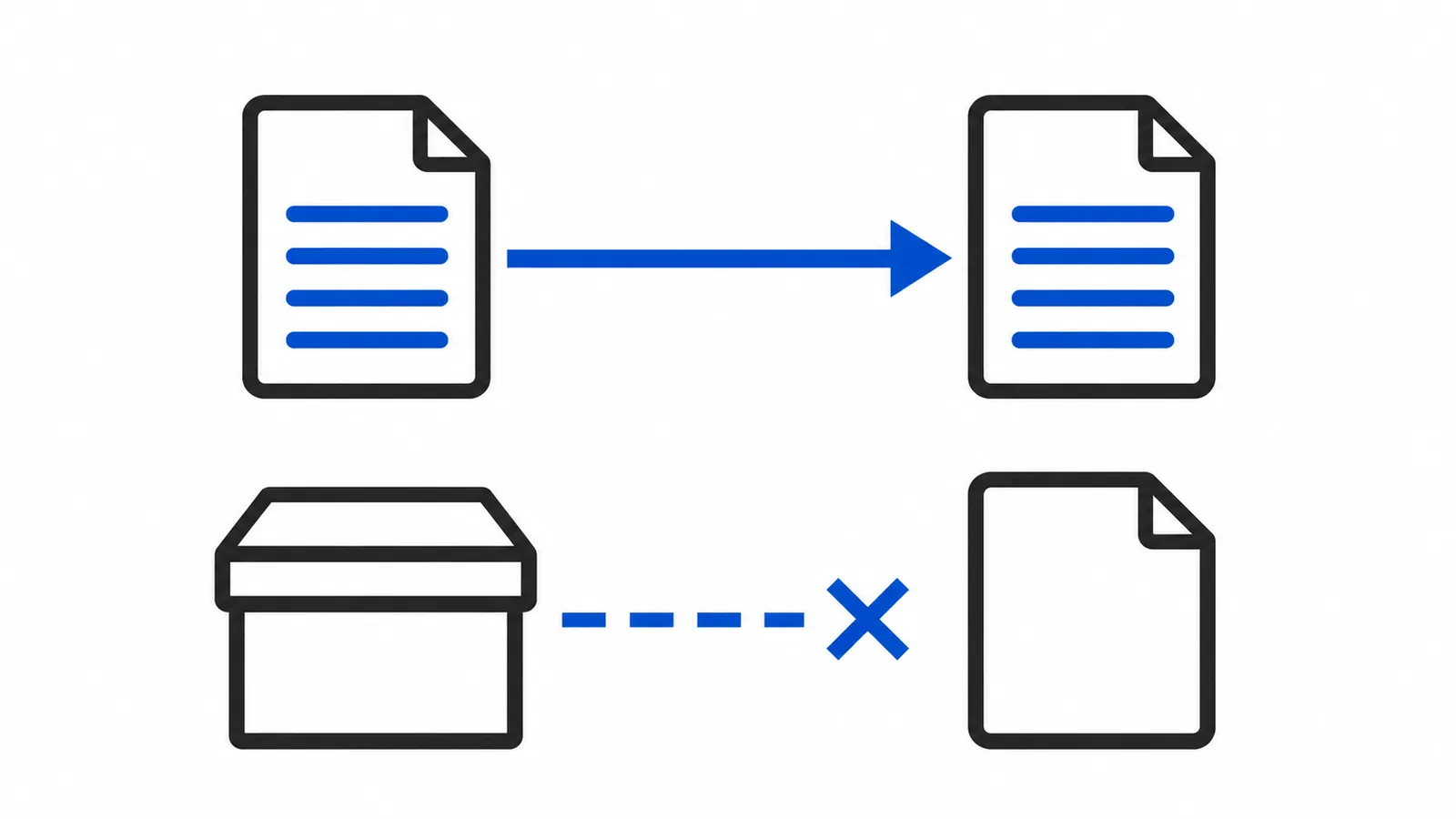
Generative AI can analyze and port existing code, but assets that were never expressed as code—like no-code apps or RPA flows—are far harder to rescue. Future debt will concentrate in artifacts left as black boxes.
Introduction
Part 3 showed that today’s citizen-development platforms hide risks even greater than Kami Excel. Where does generative AI fit on that trajectory?
Context: Japan’s banking and insurance sectors still run mission-critical COBOL systems first deployed in the 1970s and 1980s. Retirements have drained human expertise, which is why large institutions are experimenting aggressively with AI-assisted modernization. The contrast with GUI-bound citizen-development assets is stark: even archaic codebases are easier to revive than undocumented no-code projects.
The full series
- Charting the Future of Citizen Development—History, Today, Generative AI, and Beyond (Part 0 of 7)
- Is Citizen Development the Return of EUC?—Lessons from Kami Excel (Part 1 of 7)
- Was Kami Excel Truly the Villain?—From Savior to Negative Legacy (Part 2 of 7)
- The Light and Shadow of Modern Citizen-Development Platforms (Part 3 of 7)
- The Legacy That Generative AI Saves—and the Legacy It Abandons (Part 4 of 7) (this installment)
- Citizen Development Isn’t Omnipotent—It Is “Draft Development” (Part 5 of 7)
- Misaligned Vantage Points Mass-Produce Negative Legacy (Part 6 of 7)
- Legacy Will Keep Being Born—Tame It Anyway: A Future Vision for Citizen Development (Part 7 of 7)
Generative AI’s strength—“defrosting” code assets
Migrating legacy code has long required herculean effort. Millions of lines of COBOL or VB lacked documentation and demanded veteran engineers.
Generative AI cracks this barrier:
-
Automated code reading It maps dependencies, visualizes call graphs, and infers the intent of variables or structures.
-
Assisted language conversion It can draft translations from COBOL to Java or VB to Python as a starting point.
-
Semi-automated refactoring It restructures spaghetti logic into clean functions and even proposes test cases, making it easier for future teams to work with.
In short, assets preserved as code can be “defrosted” with AI. Generative AI is a potential game changer for refreshing code-based legacy.
Of course, code does not guarantee salvation. Dependencies might rely on extinct environments, and institutional knowledge may still be missing. But compared with black boxes, coded assets have vastly better odds.
What AI cannot save—assets never captured as code
Now consider no-code or RPA artifacts. They exist as GUI workflows whose internal representation is locked behind vendor-specific formats.
Generative AI excels at text. Encrypted or proprietary project files remain inaccessible.
An RPA “flow” may look like a flowchart, but it often lives as an opaque bundle. No-code apps may only run in the vendor’s cloud with no source export.
In practice, redesign is faster than rescue for most such assets. Research may eventually infer flows from recordings or screenshots, but today black-box artifacts remain stubbornly closed.
The watershed of negative legacy—did you leave it as code?
We can now see the dividing line for future debt:
- If it exists as code, generative AI opens avenues for reuse, migration, or improvement.
- If it was never codified, AI cannot “see” it and starting over is often the only path.
Whether an asset remains rescuable hinges on “did we leave it as code?” Generative AI has made that watershed impossible to ignore.
Outlook—AI is no omnipotent savior
Generative AI is powerful but far from omnipotent. It cannot fully rescue citizen-development assets that calcified into black boxes, nor can it retroactively justify past decisions.
AI confronts us with the cost of “choosing not to write code.” Organizations dazzled by quick no-code wins may find that AI offers no lifeline and must shoulder redesign costs themselves.
Which is why the next part explores governance and how to avoid mass-producing negative legacy.
Next: Citizen Development Isn’t Omnipotent—It Is “Draft Development” (Part 5 of 7)